

Rare earth acetates are widely used in advanced materials, catalysts, ceramics, magnetic materials, surface treatment, luminescent materials, and specialty chemical manufacturing. As global industries continue to demand higher purity, stable performance, and consistent batch-to-batch quality, direct supply from rare earth acetate manufacturers has become an increasingly important sourcing model for buyers seeking efficiency and reliability.
This guide provides a comprehensive, industry-focused overview of rare earth acetates, including definitions, key benefits, common grades, quality considerations, specification tables, packaging options, storage guidance, and SEO-friendly informational content suitable for a blog, category page, or industry landing page. It is written for general educational and commercial use and does not recommend any specific company.
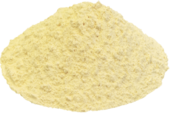
Rare earth acetates are a family of Rare Earth Salts formed by reacting rare earth elements with acetic acid. These compounds are typically available as hydrated or anhydrous materials depending on the specific element and production method. Common rare earth acetates include lanthanum acetate, cerium acetate, neodymium acetate, praseodymium acetate, samarium acetate, gadolinium acetate, yttrium acetate, and mixed rare earth acetate solutions or powders.
In industrial supply chains, rare earth acetates are valued for their solubility, reactivity, and compatibility with many downstream processing routes. They are often used as intermediates rather than final products, meaning their purity and consistency directly affect the quality of the finished material. For this reason, direct supply from rare earth acetate manufacturers is preferred by many procurement teams, R&D labs, and production facilities.
When buyers source rare earth acetates directly from manufacturers, they often gain several operational and commercial advantages. These benefits are especially important in sectors where product quality, lead time, and traceability must be tightly controlled.
| Direct Supply Advantage | Business Value | Typical Buyer Benefit |
|---|---|---|
| Fewer intermediaries | Reduced transaction layers and clearer communication | Lower sourcing risk and better technical alignment |
| Factory-level quality control | Direct access to production and testing processes | Improved batch consistency and documentation |
| Custom specification support | Ability to adjust purity, moisture, particle size, and packaging | Better fit for application-specific requirements |
| Traceable supply chain | Clear origin, lot numbers, and certificate records | Easier audit readiness and regulatory compliance |
| Faster technical response | Direct access to engineering and production teams | Shorter problem-solving cycle and faster sampling |
| Stable long-term sourcing | More predictable production planning and procurement | Reduced risk of stock disruptions |
For buyers in catalyst manufacturing, electronic materials, ceramics, and advanced chemistry, direct supply is not only a purchasing strategy but also a quality assurance strategy. It helps ensure that the rare earth acetate delivered to the facility matches the required grade, purity level, and performance expectations.
Reliable quality is one of the most important keywords in rare earth acetate sourcing because even small deviations can affect downstream processing. Quality in this context includes chemical purity, impurity control, moisture content, particle characteristics, pH behavior, and consistency across production lots.
High-quality rare earth acetate products are typically manufactured under controlled process conditions, with attention to raw material selection, reaction efficiency, crystallization, washing, drying, milling, and final packaging. Reliable suppliers also provide analytical data such as assay results, ICP impurity profiles, loss on drying, and sometimes X-ray diffraction or particle size analysis where relevant.
From a procurement perspective, quality should be assessed not only by nominal purity but also by the supplier’s ability to repeat that quality over time. A rare earth acetate product with high stated purity but unstable production consistency may cause more problems than a slightly lower-purity grade with excellent lot-to-lot uniformity.
Rare earth acetates are available in several chemical forms and grades, depending on the target application. The most common products include single rare earth acetates and mixed rare earth acetate blends. Below is a general overview of frequently requested types in industrial markets.
| Product Type | Common Forms | Typical Use Cases |
|---|---|---|
| Lanthanum acetate | Hydrated powder, solution | Catalysts, glass additives, research chemistry |
| Cerium acetate | Hydrated powder, solution | Catalysis, polishing-related chemistry, advanced materials |
| Neodymium acetate | Powder, solution | Magnetic materials, specialty synthesis |
| Praseodymium acetate | Powder, solution | Optical materials, ceramics, magnetic precursors |
| Samarium acetate | Powder, solution | Functional materials, research applications |
| Gadolinium acetate | Powder, solution | Magnetic materials, laboratory and specialty uses |
| Yttrium acetate | Powder, solution | Phosphors, ceramics, advanced material synthesis |
| Mixed rare earth acetate | Custom blend, solution, powder | Composite formulations, catalyst supports, customized industrial processing |
Because the phrase “rare earth acetates” covers a broad product family, buyers should always clarify the exact chemical species, hydration level, and target purity before requesting quotations or samples.
Rare earth acetates are used across a wide range of industries due to their strong chemical versatility. Their ability to dissolve, decompose, or react in a controlled manner makes them useful as intermediates in many production routes.
Rare earth acetates are often used as precursor materials in catalyst formulation. Their metal ions can be converted into active catalytic components through calcination or other thermal processes. Consistent purity is essential in this application because trace contaminants may alter catalytic performance, selectivity, or stability.
In ceramics and specialty materials, rare earth acetates can be used to introduce specific metal ions into a formulation. They are valued for good solubility and compatibility with solution processing methods such as sol-gel synthesis, impregnation, and coating.
Neodymium, praseodymium, samarium, and other rare earth acetates can serve as precursors in magnetic material manufacturing. Stable quality helps support controlled composition and predictable final magnetic properties.
Rare earth acetate compounds are also used in phosphors, optical coatings, and luminescent systems. The purity of the precursor can influence brightness, color stability, and overall material performance.
Research institutions and pilot plants frequently use rare earth acetates for experimentation, material screening, and formulation development. In these settings, precise composition and reliable documentation are especially important.
Rare earth acetates offer several advantages that make them attractive for industrial and technical use. These advantages are often used as SEO keywords in procurement and manufacturing content because they reflect the main decision factors for buyers.
| Advantage | Description | Practical Benefit |
|---|---|---|
| Good solubility | Many rare earth acetates dissolve well in water or compatible solvents | Supports solution-based processing and uniform mixing |
| High reactivity | Acetate ligands make the compound suitable as a precursor | Efficient conversion into oxides, catalysts, or functional materials |
| Composition control | Single-metal and mixed-metal options are available | Allows precise material engineering |
| Versatile processing | Compatible with coatings, impregnation, gelation, and thermal treatment | Useful across multiple industrial workflows |
| Supply flexibility | Available in powder, hydrate, and solution formats | Supports different plant and laboratory needs |
| Customizable quality | Specifications can be tailored to target applications | Helps match performance, purity, and cost targets |
Whether sourcing direct supply from rare earth acetate manufacturers or evaluating new suppliers, buyers should review both product and service factors. Reliable quality depends on more than the nominal chemical name on a label.
Purity control: Confirm the target assay and impurity limits.
Lot consistency: Ask for recent batch data and production repeatability.
Analytical documentation: Review COA, MSDS/SDS, test methods, and traceability documents.
Packaging integrity: Check whether moisture-sensitive products are sealed properly.
Customization capability: Verify whether the manufacturer can adjust specs for your application.
Technical support: Confirm access to formulation and application guidance if needed.
Lead time reliability: Evaluate production capacity and shipping performance.
Export experience: For international buyers, ensure familiarity with customs and logistics documentation.
These criteria are particularly important for businesses that need reliable quality from rare earth acetate suppliers in long-term industrial supply contracts.
Specification requirements vary by metal type and application, but the following parameters are commonly evaluated when purchasing rare earth acetates.
| Quality Parameter | Why It Matters | Typical Buyer Concern |
|---|---|---|
| Assay / purity | Measures the target rare earth content | Product performance and reproducibility |
| Impurity profile | Controls unwanted elements such as Fe, Ca, Na, Cl, sulfate, and heavy metals | Compatibility with sensitive downstream applications |
| Loss on drying | Indicates moisture or hydrate content | Accurate dosing and stable storage |
| Water solubility | Shows how easily the product dissolves | Processing efficiency in solution systems |
| Particle size | Affects flowability and dispersion | Mixing performance and handling |
| pH of solution | Can influence formulation behavior | Process compatibility and stability |
| Appearance | Indicates product condition | Basic quality screening and contamination detection |
| Packaging condition | Protects the product during transit and storage | Moisture resistance and contamination prevention |
The table below provides a generic, SEO-friendly example of how rare earth acetate specifications are often presented in the industry. Actual values depend on the product type, hydration state, and buyer requirements.
| Specification Item | Typical Range / Description | Notes |
|---|---|---|
| Product form | Powder, crystalline powder, hydrated powder, or solution | Selected based on application and handling needs |
| Rare earth content | Customized by grade and element | Often expressed as metal oxide equivalent or elemental assay |
| Purity | High purity, technical grade, or research grade | Exact target depends on downstream process |
| Moisture content | Controlled according to storage and use conditions | Especially important for hygroscopic materials |
| Impurity metals | Low levels of Fe, Al, Ca, Mg, Na, K, Pb, and others | Limits vary by specification |
| Chloride / sulfate residue | Low residue preferred | Critical for sensitive chemical and electronic applications |
| Packaging | Sealed bags, drums, fiber drums, or custom containers | Moisture-barrier packaging recommended for long transit |
| Shelf life | Depends on grade, moisture, and storage conditions | Should be verified with supplier documentation |
Packaging plays a critical role in preserving the quality of rare earth acetates during transport and storage. Because some products may absorb moisture or be sensitive to contamination, direct manufacturers often provide packaging solutions designed for the specific product form.
| Packaging Type | Common Use | Advantages |
|---|---|---|
| Aluminum foil bag with carton | Small quantity sample or lab use | Good moisture protection and easy handling |
| Sealed plastic bag | General powder packaging | Cost-effective and widely used |
| Fiber drum | Bulk powder shipping | Suitable for larger volumes and export logistics |
| Plastic drum | Moisture-sensitive products | Improved container protection |
| Customized container | Special applications or regulated supply chains | Supports traceability and product integrity |
For international delivery, buyers should also ask whether the supplier can provide export-ready labeling, batch numbers, COA documents, and compliance paperwork.
To maintain reliable quality, rare earth acetates should be stored and handled under appropriate conditions. While the exact requirements differ by product, the following general guidance applies to many industrial grades.
Keep containers tightly sealed when not in use.
Store in a cool, dry, and well-ventilated area.
Avoid exposure to moisture, direct sunlight, and heat sources.
Prevent contamination from dust, acids, alkalis, and incompatible chemicals.
Use clean scoops, funnels, and transfer tools.
Follow the supplier’s SDS and handling instructions for each specific product.
Improper storage can reduce product quality, especially for hygroscopic or hydrate-based materials. If the product is intended for high-purity applications, even minor environmental exposure can affect performance.
When evaluating manufacturers and direct supply options, buyers should compare more than price. The total value of a rare earth acetate supplier depends on product consistency, technical support, documentation, and delivery reliability.
| Comparison Factor | What to Ask | Why It Matters |
|---|---|---|
| Production capability | Can the supplier support your required volume? | Ensures stable long-term availability |
| Quality testing | What instruments and methods are used? | Confirms analytical credibility |
| Customization | Can the supplier adjust purity, moisture, or packaging? | Improves fit for your process |
| Lead time | How quickly can samples and bulk orders ship? | Supports production planning |
| Documentation | Are COA, SDS, and traceability records available? | Helps with compliance and audits |
| Export support | Can the supplier manage international logistics? | Reduces shipping and customs risk |
Buyers of rare earth acetates often request the following information before placing an order. Adding this content to a product page or directory page can help improve search visibility and user trust.
Chemical name and CAS number, where applicable
Element type and hydration state
Purity level and impurity limits
Assay method and test standard
Appearance and particle size
Solubility and pH behavior
Packaging size and shipping format
Storage conditions and shelf life
Available sample quantity
Lead time for bulk supply
Providing this information clearly improves both SEO performance and buyer conversion because it matches the way industrial customers search for direct supply from rare earth acetate manufacturers.
For content optimization, the following keyword themes are commonly associated with rare earth acetate products. These terms can be used naturally within product pages, category pages, FAQs, and blog articles.
rare earth acetates
direct supply from rare earth acetate manufacturers
reliable quality rare earth acetates
high purity rare earth acetate
rare earth acetate supplier
rare earth acetate manufacturer
custom rare earth acetate solution
rare earth acetate powder
rare earth acetate for catalyst manufacturing
rare earth acetate for ceramics
rare earth acetate for advanced materials
When using SEO keywords, it is best to integrate them naturally into headings, introduction paragraphs, specification tables, and FAQ sections rather than overstuffing them in one place.
The rare earth chemical market continues to evolve in response to growing demand for high-performance materials, electrification, environmental catalysts, and specialized industrial chemistry. As these sectors expand, buyers increasingly seek suppliers that can provide consistent quality, traceability, and faster technical support.
Several trends are shaping the future of rare earth acetate sourcing:
Higher demand for high-purity materials
Growing interest in custom blended rare earth acetate products
More attention to low-impurity and low-residue specifications
Improved documentation and digital traceability
Preference for direct manufacturer relationships
Greater use of rare earth acetates in advanced material synthesis
These trends reinforce the importance of direct supply from rare earth acetate manufacturers, especially for customers that depend on stable input quality and scalable production support.
Rare earth acetates are important intermediate materials used in catalysts, ceramics, magnetic materials, optical materials, and research applications. For procurement teams and technical buyers, direct supply from rare earth acetate manufacturers can offer better quality control, more consistent documentation, and improved customization options.
Reliable quality should be evaluated through purity, impurity limits, moisture content, batch consistency, packaging integrity, and technical support. Buyers should request full specification sheets and compare suppliers based on performance, not price alone.
When written for SEO and commercial intent, content about rare earth acetates should focus on direct manufacturer supply, high purity, stable quality, application suitability, and specification transparency. These are the core themes that help industry pages rank well while still providing practical value to visitors.
Rare earth acetates are used as precursors and intermediates in catalysts, ceramics, advanced materials, magnetic materials, optical materials, and laboratory research.
Direct supply helps reduce intermediaries, improve quality control, support custom specifications, and provide better traceability and technical communication.
Reliable quality means stable purity, low impurities, controlled moisture, consistent lot-to-lot performance, and dependable documentation.
Yes. Many manufacturers can customize purity, hydration level, particle size, packaging, and product form based on application needs.
Common documents include the certificate of analysis, safety data sheet, product specification sheet, and traceability or batch information.
They should generally be stored in sealed containers in a cool, dry, and clean environment away from moisture and contamination.
This information is intended for general industry use and can be adapted for blog content, catalog pages, category descriptions, or product education pages related to rare earth acetates, direct supply, and reliable quality sourcing.
Shawan Economic Development Zone, Leshan City, Sichuan Province, China (No. 28, Tengfei Road)
+86-18284367655
wnxsalescenter@wnxxcl.com


Copyright © Sichuan Wonice New Material Technology Co., Ltd.
 Shengming Network
This website uses cookies to ensure you get the best experience on our website.

 Español
 Portugues
 Pусский
 Français
 Deutsch
 日本語
 한국어
 العربية
 中文
 Rare Earth Chlorides
 Rare Earth Oxides
 Rare Earth Carbonates
 Rare Earth Nitrates
 Rare Earth Sulfates
 Rare Earth Acetates
 Rare Earth Fluorides
 Zirconium Series



 WhatsApp
 Phone
 Message
Comment
(0)